


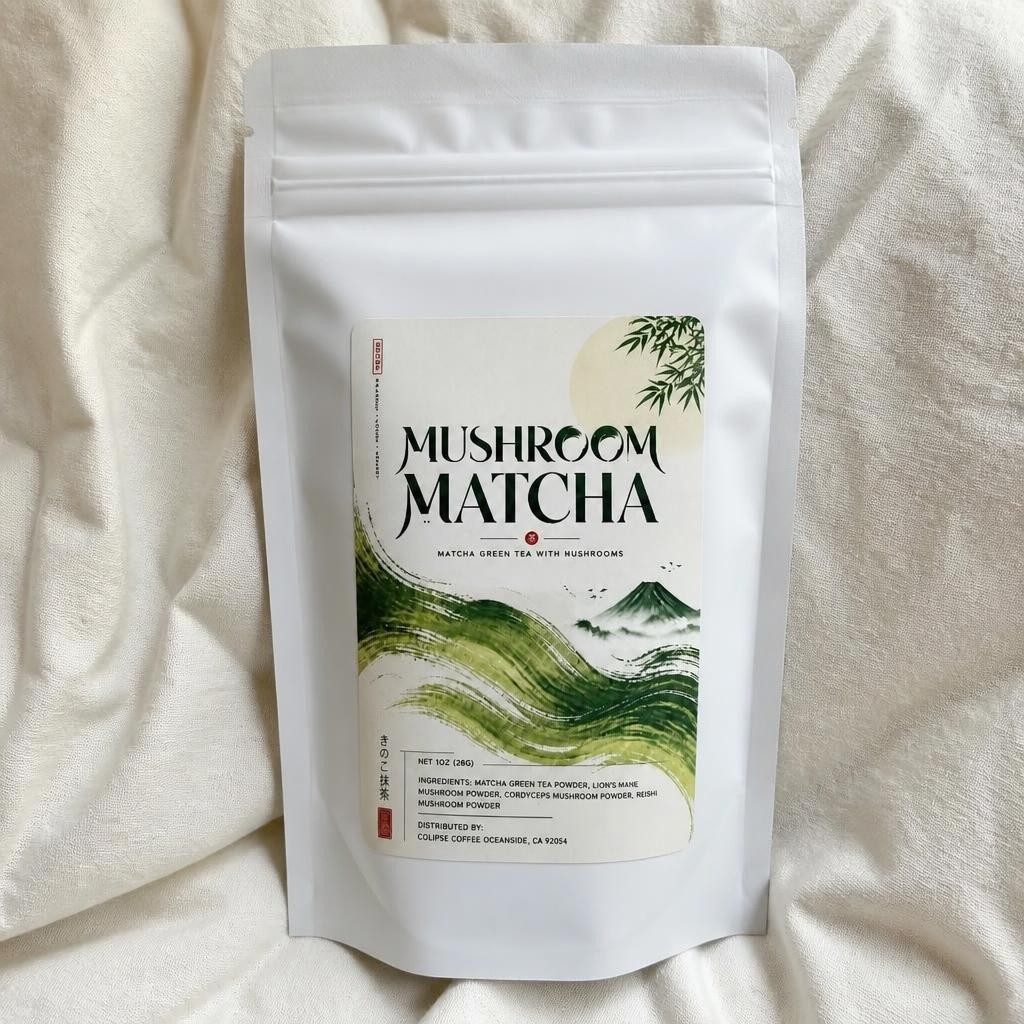
Mushroom Matcha
Ceremonial-grade Japanese matcha, spring harvest from Matsushita Tea Garden in Kakegawa City, Shizuoka, stone-milled and blended with Lion's Mane, Cordyceps, and Reishi mushroom powder. Each bag brews about 28 servings at roughly 30-70 mg of caffeine per 8 oz cup, whisked at 175°F.
Roasted and blended in California
Free U.S. delivery
Ships in 1-2 business days
How many bags?
3
Functional Mushrooms
28
Servings per Bag
30-70 mg
Caffeine per Cup
175°F
Brew Temperature
What Do Customers Say About Mushroom Matcha?
Real customers describe steadier energy, an earthy mushroom-forward flavor, and an easy daily whisking routine, shown in the photos below.


What Is Mushroom Matcha?
Mushroom matcha combines ceremonial-grade, stone-milled Japanese matcha with dried functional mushrooms such as Lion's Mane, Cordyceps, and Reishi. Stone grinding turns shade-grown tencha leaves into the fine, whole-leaf powder used for traditional matcha. An 8 oz serving commonly contains about 30-70 mg of caffeine. Matcha also contains L-theanine, which works alongside caffeine and can support a steadier energy experience than coffee.
Mushroom matcha has a vegetal, umami-forward flavor rather than a coffee taste. Shizuoka-grown matcha can taste sharper and more astringent than Kyoto-style matcha. Its mouthfeel is lighter than brewed coffee or espresso, and whisking creates light foam rather than espresso-style crema. Add dairy or plant milk and sweetener for a latte-style drink. Serving mushroom matcha hot can recreate parts of a morning coffee ritual, while the psychological experience varies by person.
The best way to use Mushroom Matcha is to whisk 1 to 2 teaspoons with about 2 ounces (60 ml) of warm water until smooth, then add hot or iced milk. Use water around 140 to 175°F (60 to 80°C), rather than boiling water.
Where Does the Matcha in Mushroom Matcha Come From?
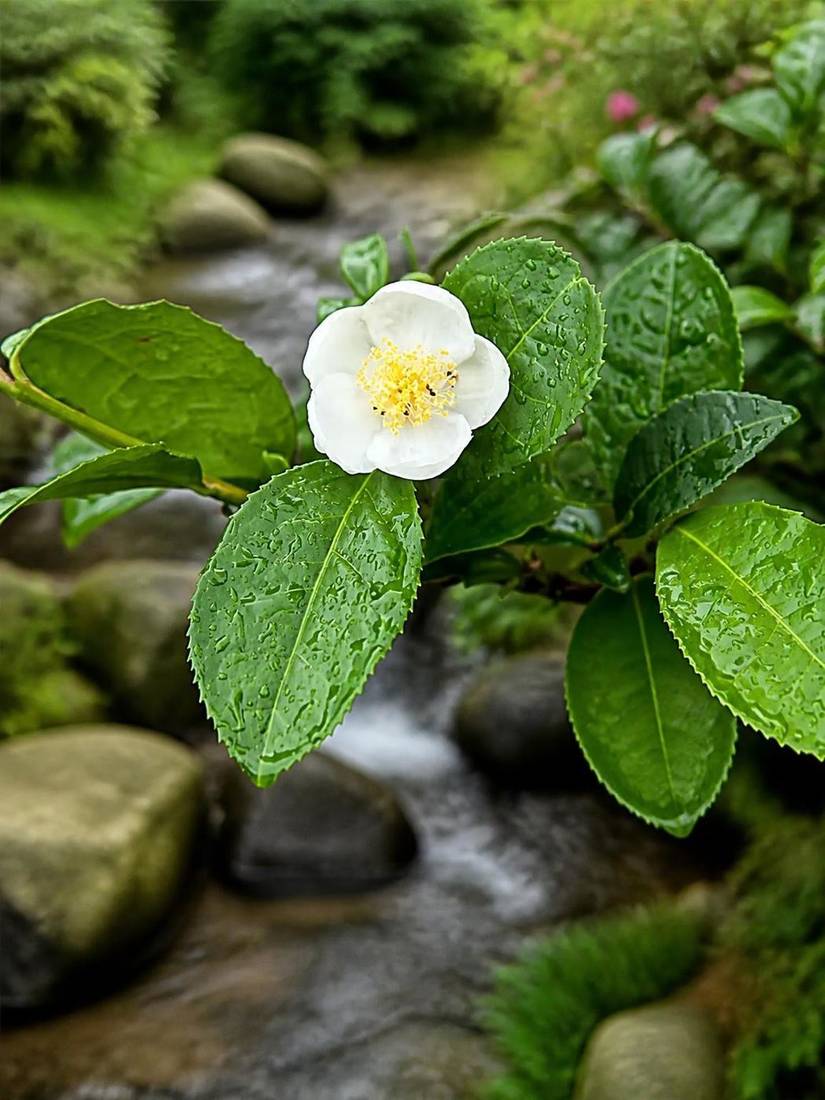
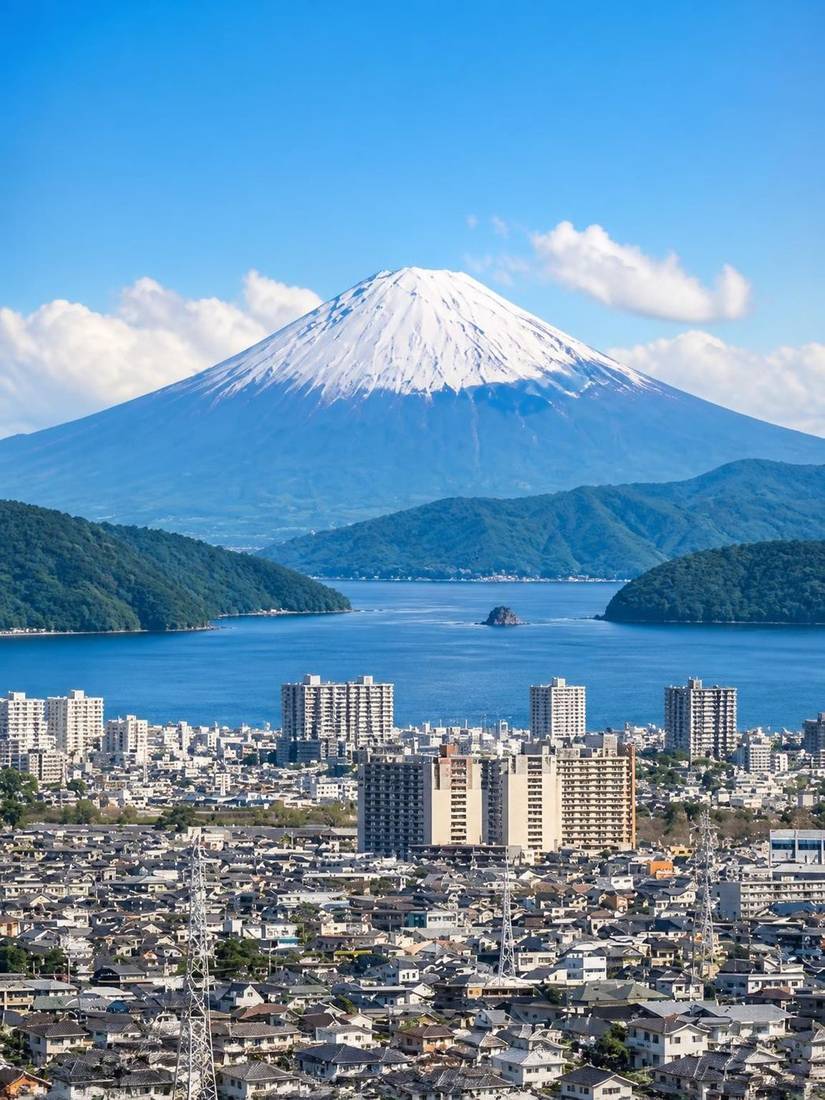
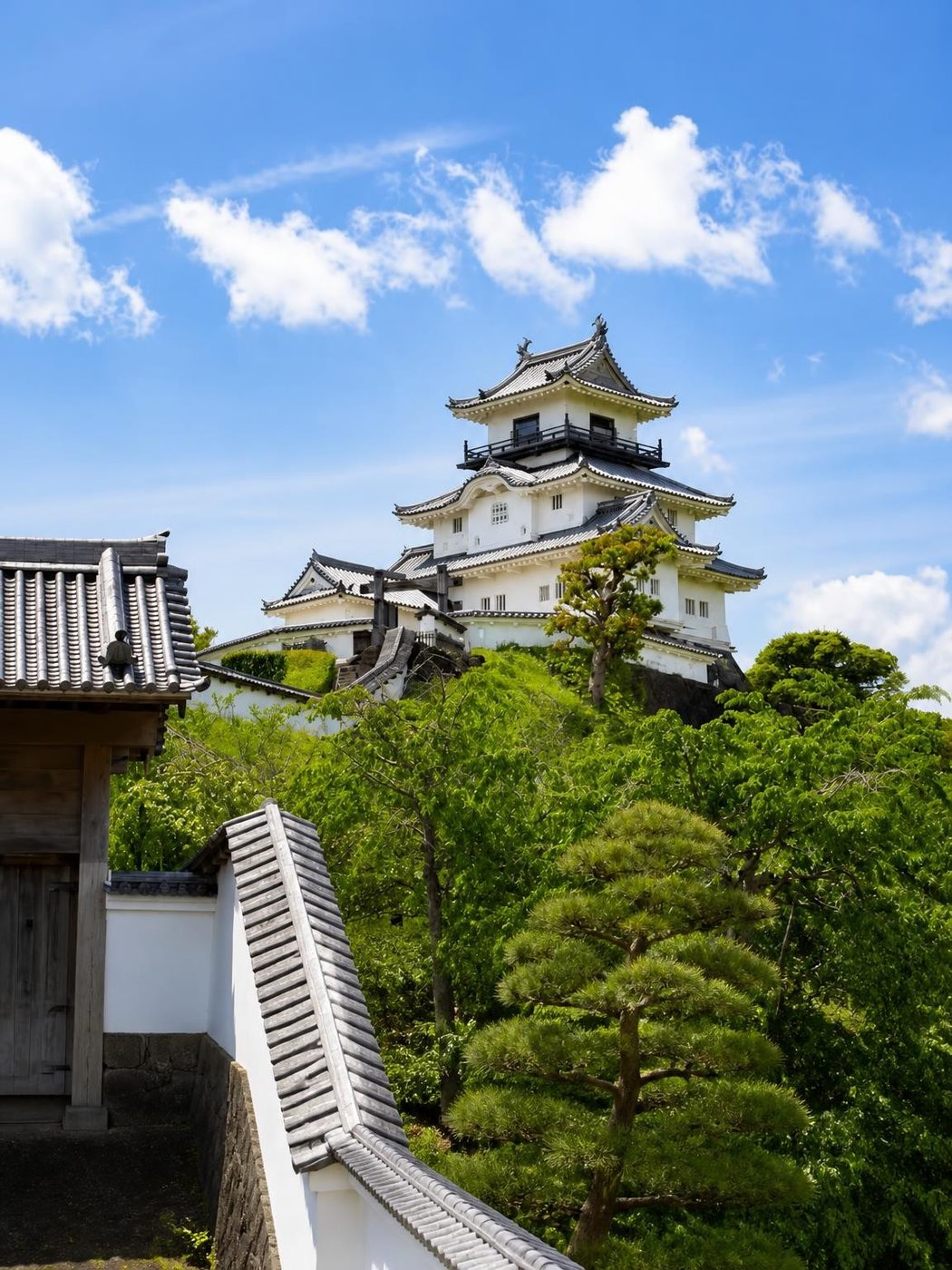
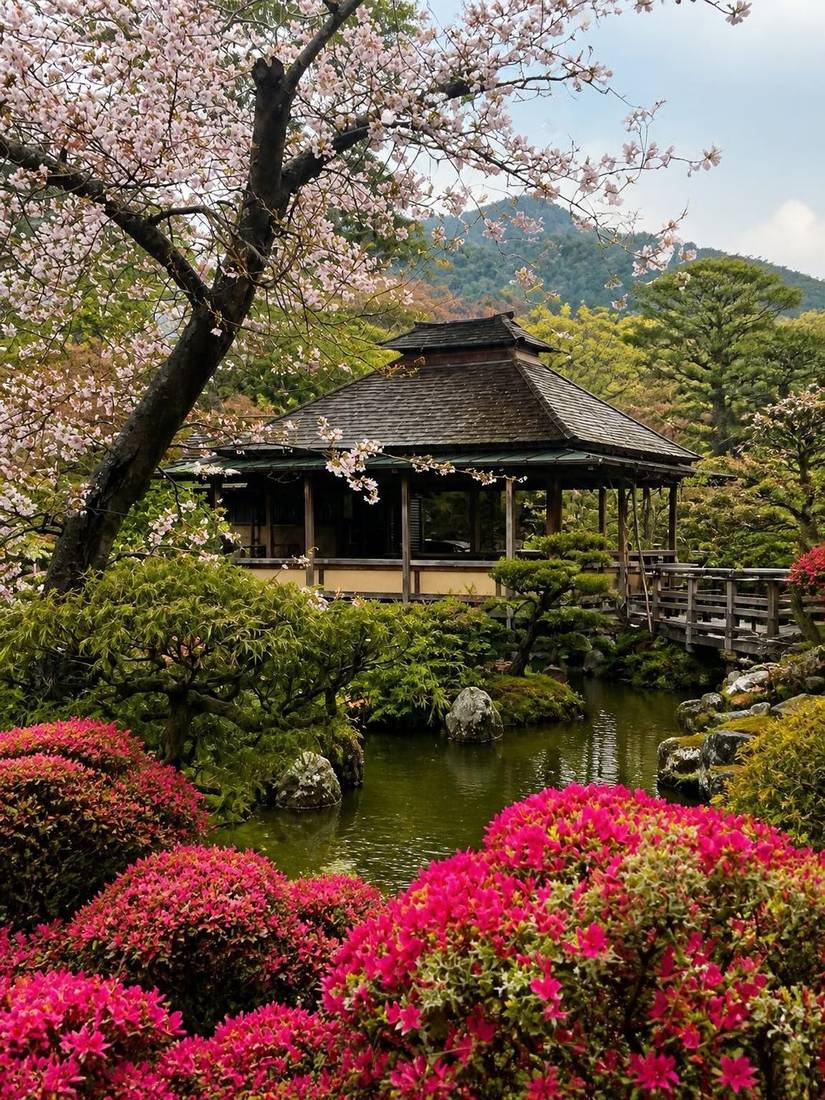
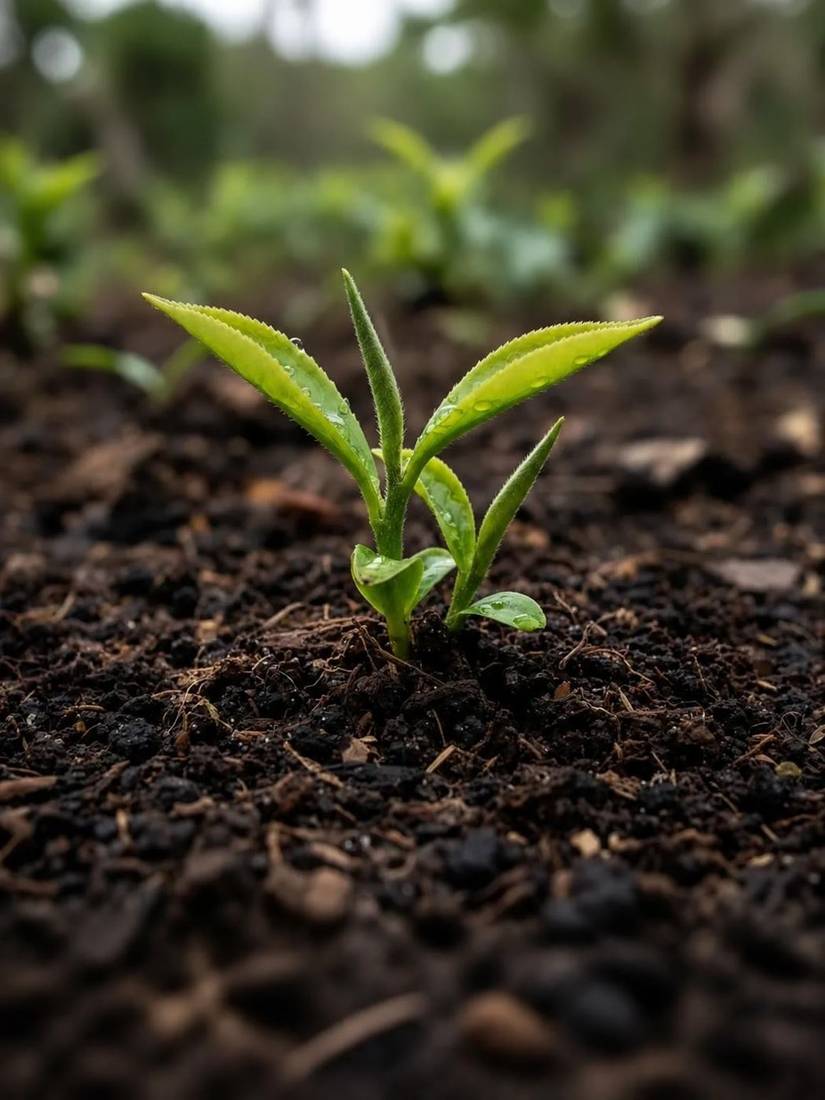
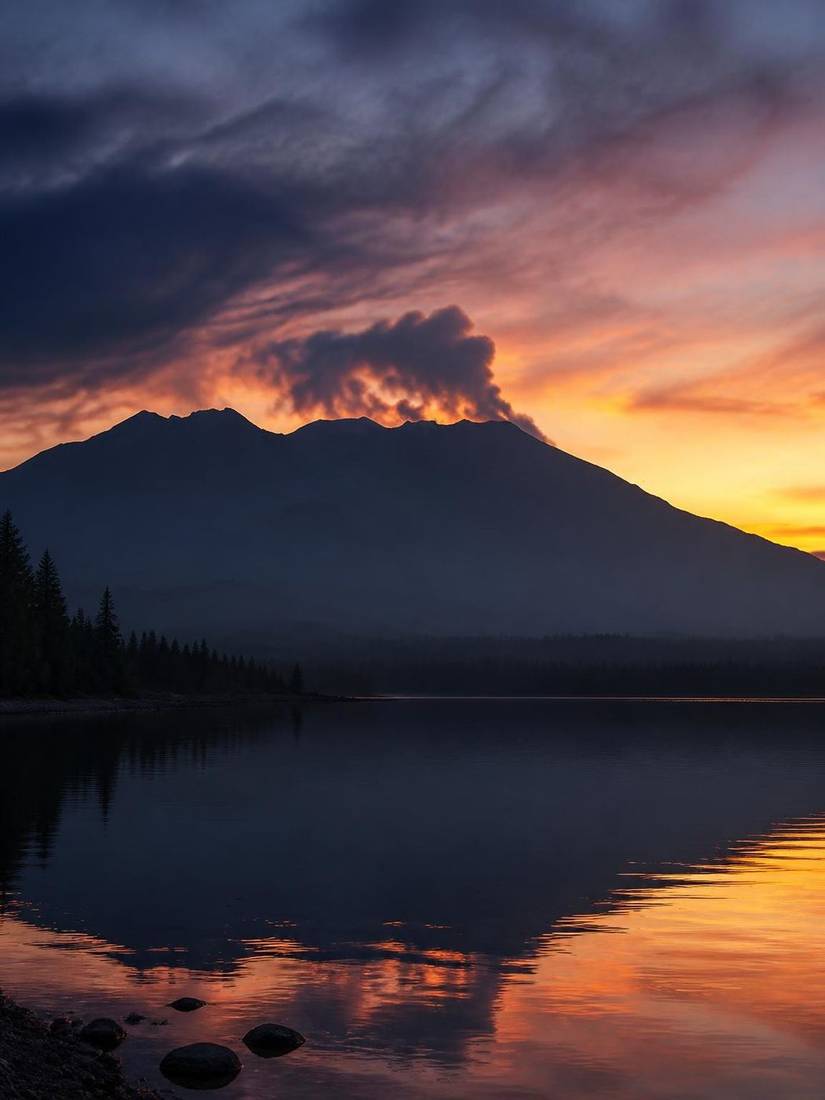
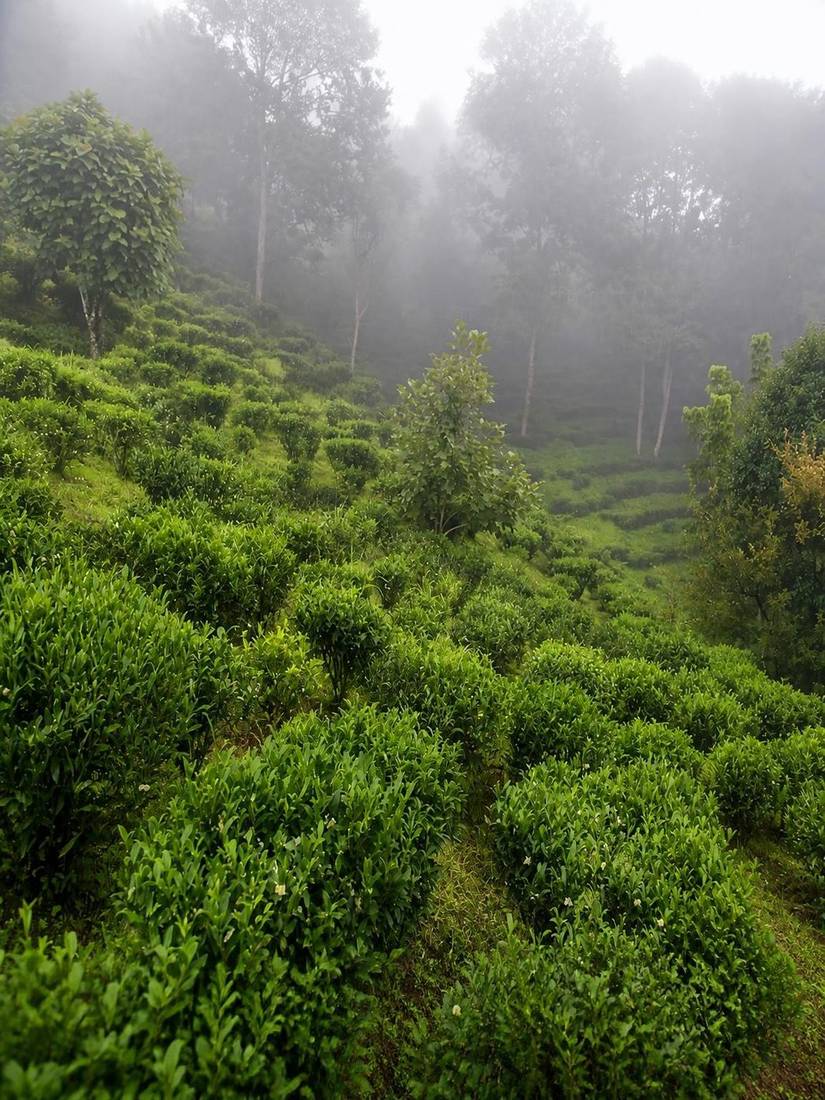
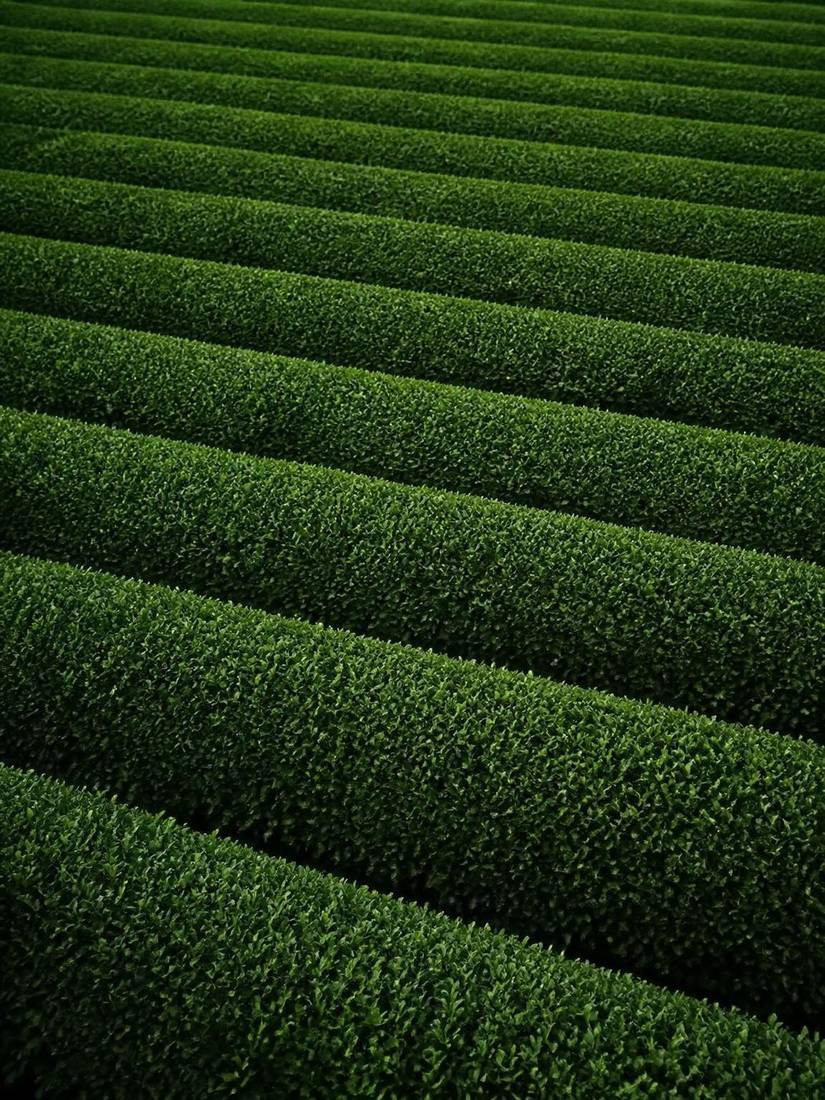
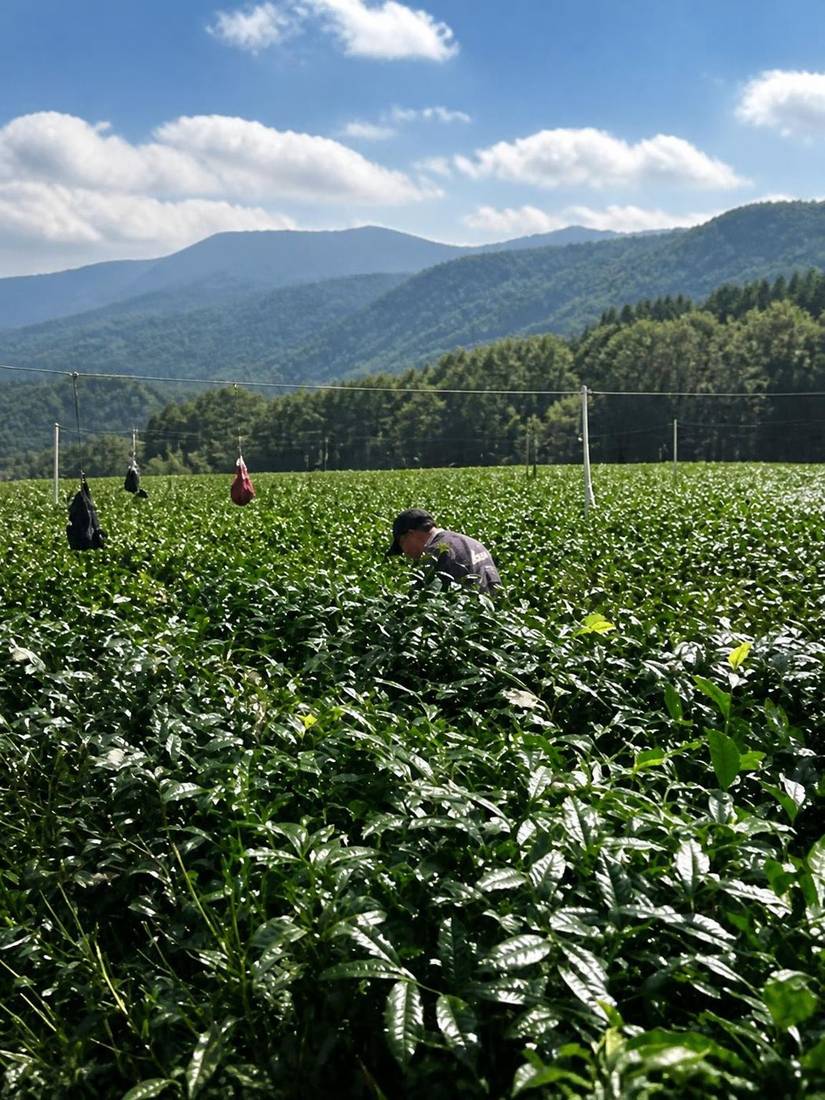
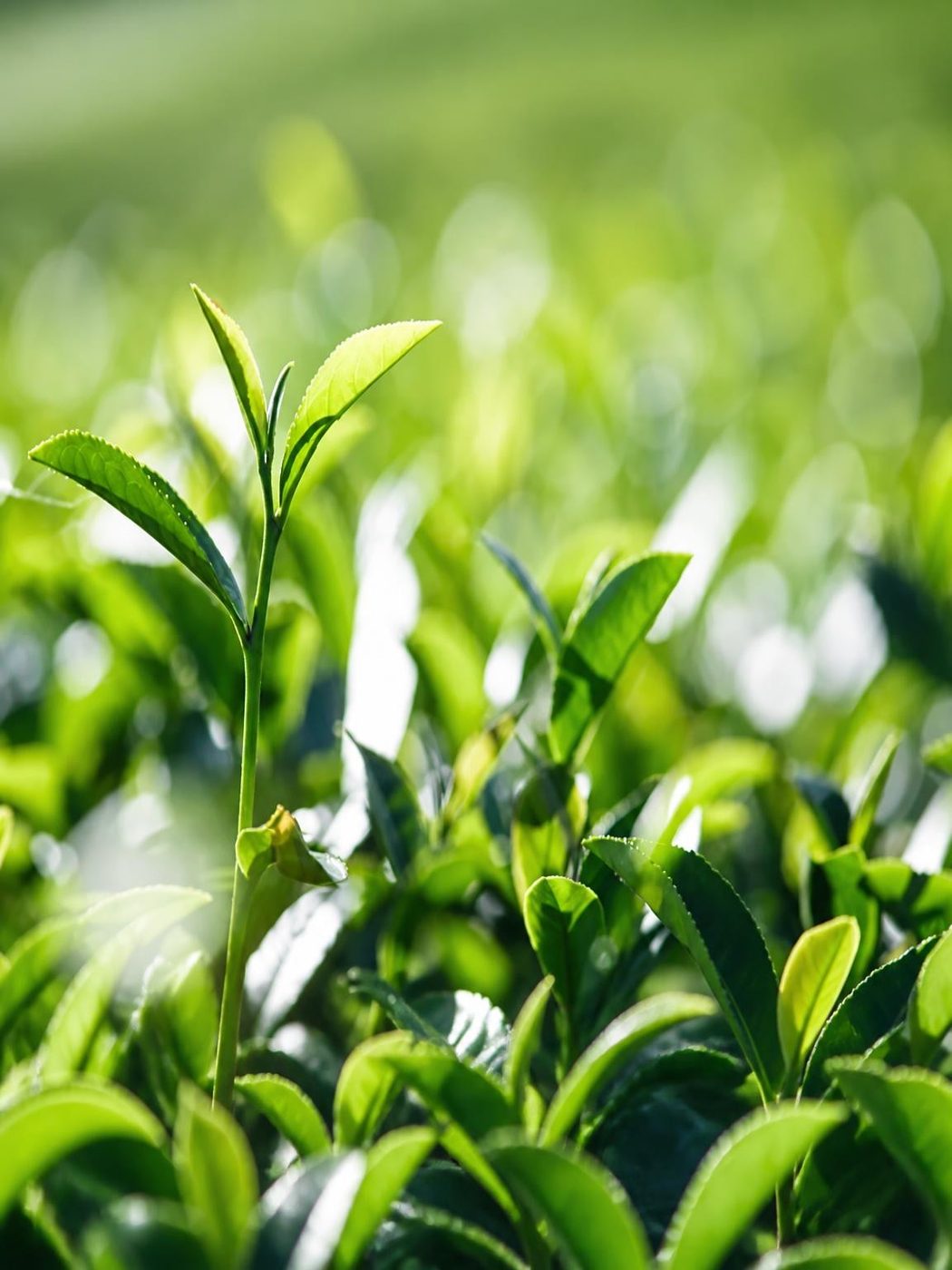
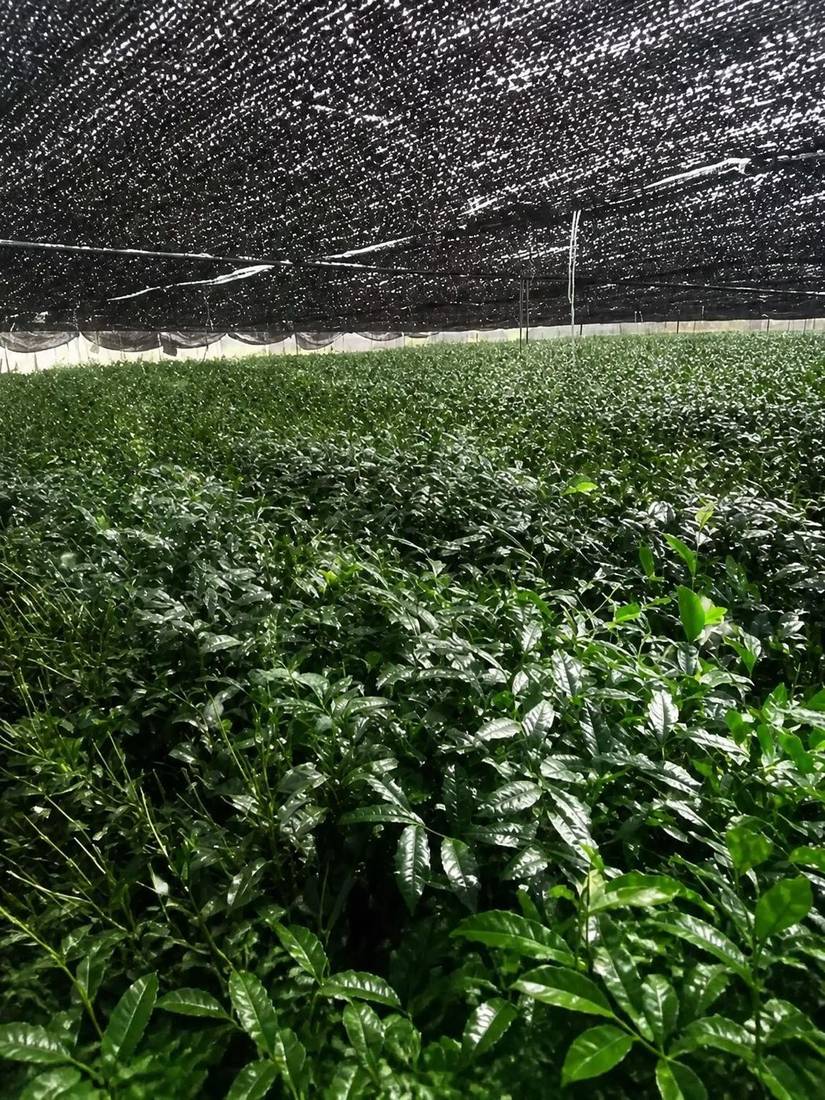
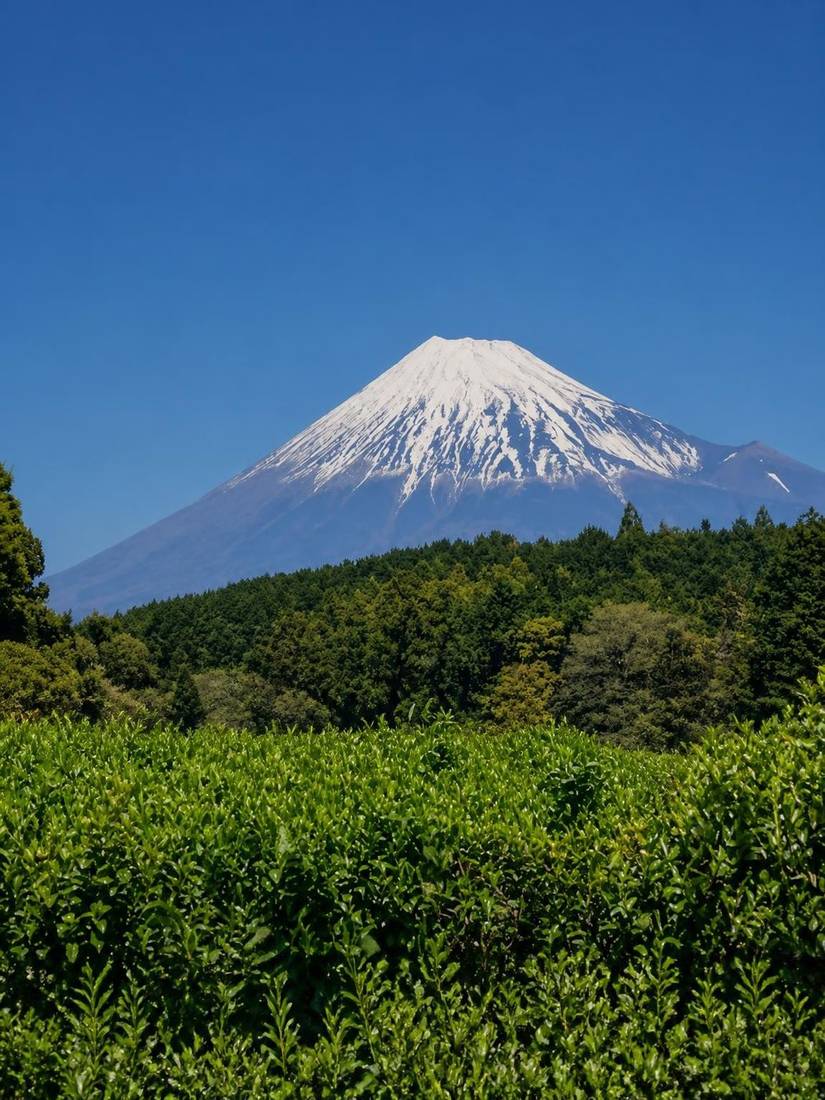
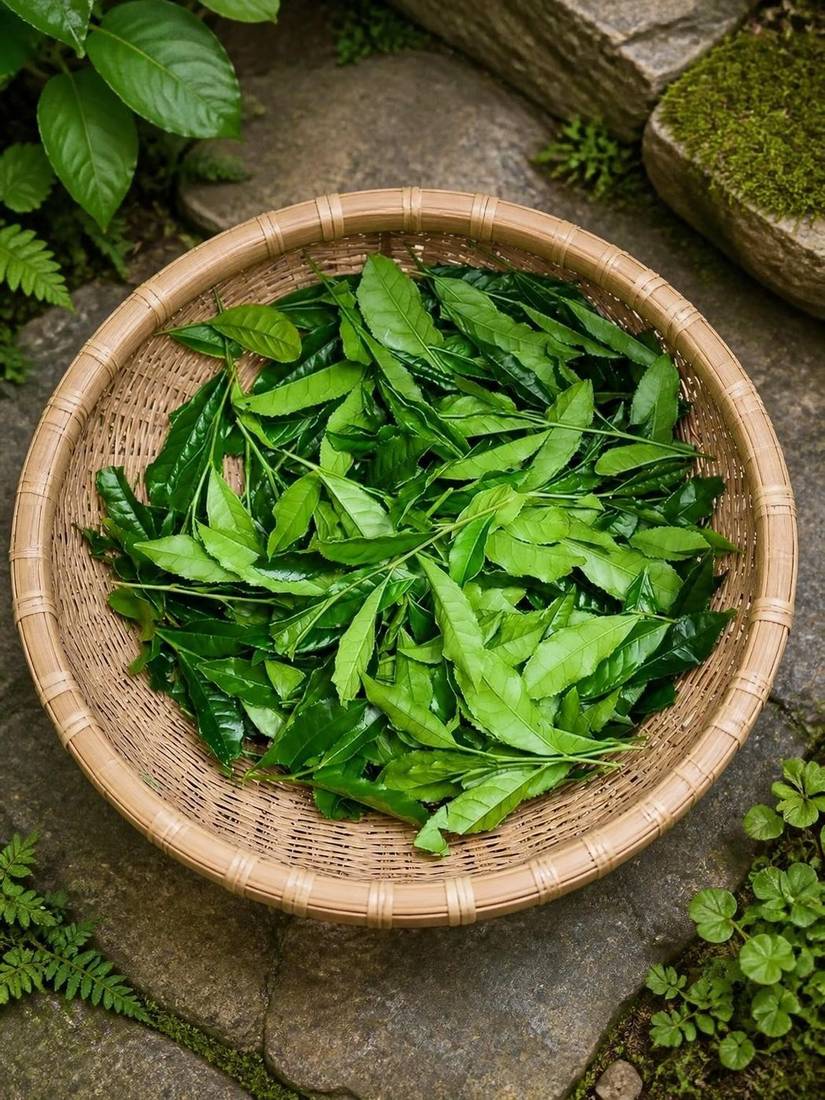
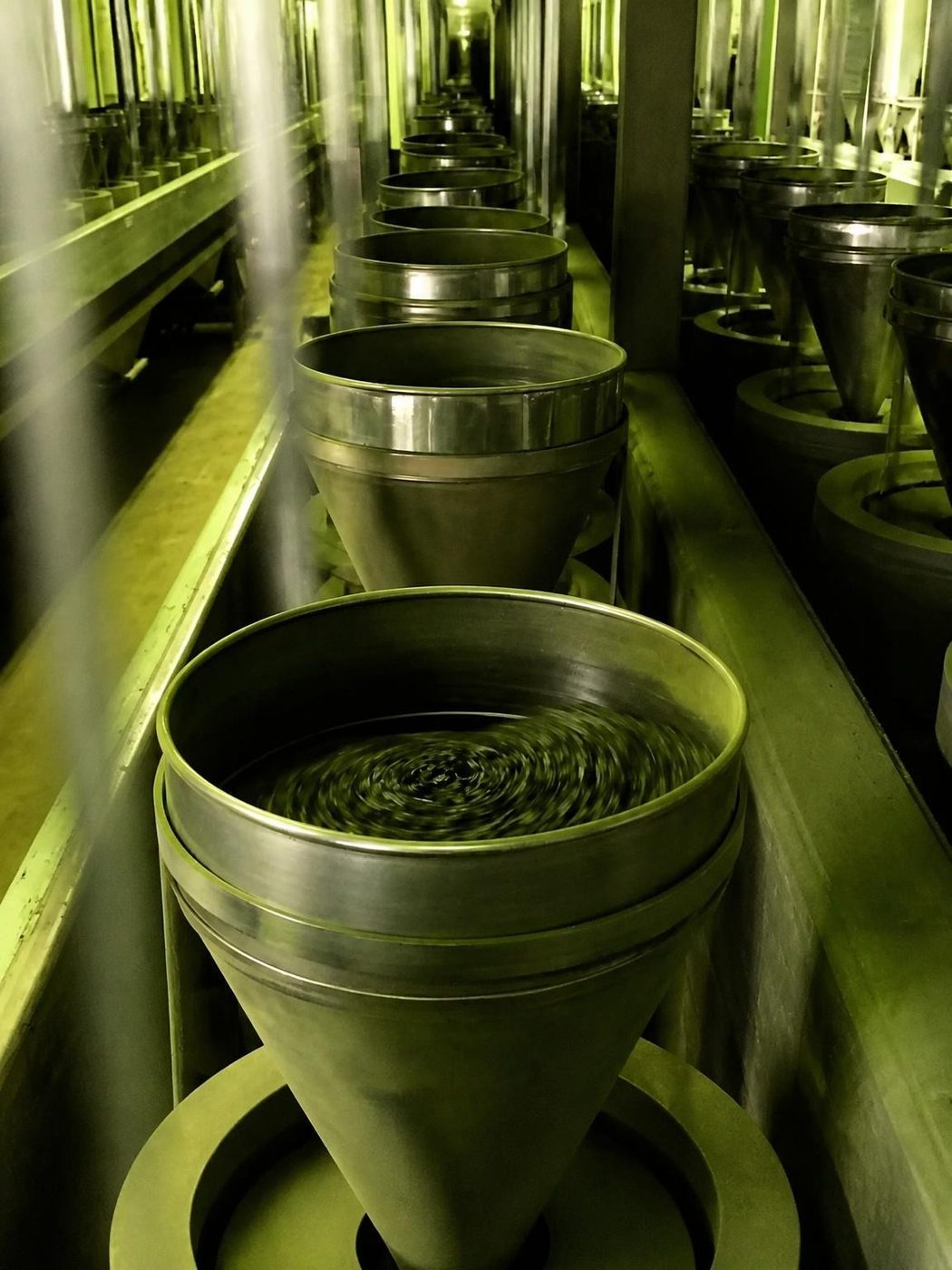
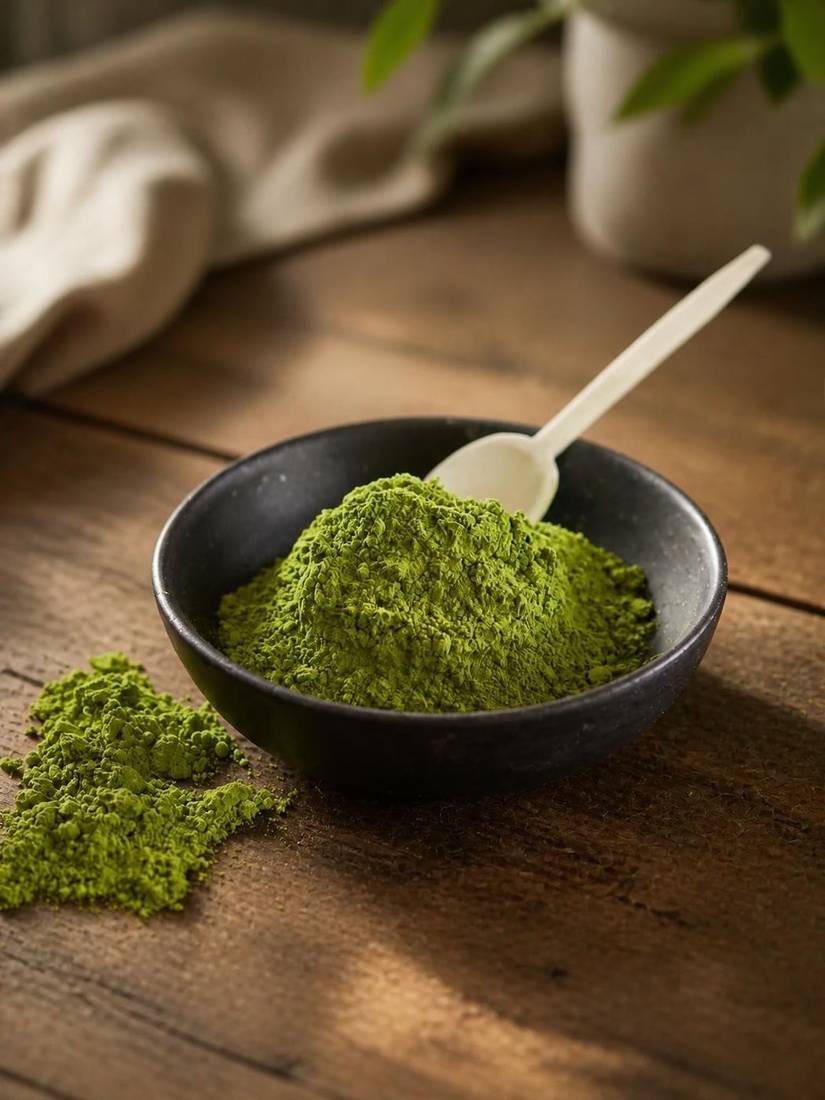
The matcha in Mushroom Matcha comes from Matsushita Tea Garden in Kakegawa City, Shizuoka Prefecture, Japan. Warm, humid conditions, 2,000 to 2,500mm of annual rainfall, volcanic-ash soil, and Pacific sea breezes give the matcha a refreshing astringency that holds up against milk. The spring-harvest blend combines hand-selected Saemidori for rich umami and natural sweetness with Tsuyuhikari for soft floral notes. The leaves are steamed, dried into tencha, and stone-milled into a fine, vivid green matcha powder.
How Does Mushroom Matcha Compare to Other Drinks?
Mushroom matcha differs from hojicha, plain matcha, drip coffee, and mushroom coffee mainly in caffeine level, preparation, and flavor, compared section by section below.
How Does Mushroom Matcha Compare to Hojicha?
Mushroom matcha and hojicha differ mainly in processing, caffeine, and flavor. Matcha is made from shade-grown green tea leaves that are ground into a fine powder and consumed with the drink. Hojicha is roasted green tea that is typically steeped in water before the leaves are removed.
Hojicha is generally lower in caffeine than matcha, making it a lower-caffeine alternative for people who still want a tea-based drink. Matcha also contains naturally occurring L-theanine and has a grassy, vegetal, and umami-forward flavor. Roasting gives hojicha a distinctly different taste, with toasted, nutty, smoky, and sometimes caramel-like notes.
Choose between them primarily based on caffeine preference and flavor. Mushroom matcha provides the stronger green tea character and typically more caffeine, while hojicha provides a roasted flavor with less caffeine.
How Does Mushroom Matcha Compare to Plain Matcha?
The main difference between mushroom matcha and plain matcha is the addition of mushroom ingredients. Plain matcha consists of finely ground green tea leaves, while mushroom matcha combines that tea base with mushroom powders, extracts, or a blend of both.
Adding mushrooms does not fundamentally change what matcha is. Both drinks retain matcha's caffeine, L-theanine, catechins, and characteristic grassy and umami flavors. Mushroom ingredients can introduce additional earthy, woody, bitter, or savory notes depending on the species, concentration, and extraction method.
The mushroom content also varies substantially between products. Some formulas use concentrated extracts, while others use powdered mushroom material or blends containing several species. Compare the ingredient list and serving amounts rather than assuming all mushroom matcha products provide equivalent mushroom ingredients.
Choose plain matcha when you want matcha without additional ingredients. Choose mushroom matcha when you specifically want matcha combined with mushroom-derived ingredients and do not mind the potential change in flavor.
How Does Mushroom Matcha Compare to Drip Coffee?
Mushroom matcha generally contains less caffeine than drip coffee and provides a different combination of naturally occurring compounds. Matcha commonly contains about 30 to 70 mg of caffeine per serving, depending largely on the amount of powder used. An 8 oz cup of brewed coffee often contains around 95 mg, although coffee caffeine can vary considerably by bean, brewing method, and serving size.
Matcha also naturally contains L-theanine alongside caffeine. Research has examined caffeine and L-theanine together for their effects on attention and cognitive performance, but individual responses vary. Claims that matcha always provides smoother energy or completely prevents a caffeine crash go beyond what can be guaranteed.
Taste provides another clear distinction. Drip coffee has a roasted profile that can range from fruity and acidic to chocolatey, smoky, or bitter. Mushroom matcha has the grassy, vegetal, and umami character of green tea, potentially accompanied by earthy notes from its mushroom ingredients.
Preparation also differs. Drip coffee extracts compounds from roasted grounds and leaves the grounds behind. Matcha mixes the powdered tea leaf directly into water or milk, so the tea leaf itself remains in the finished drink.
How Does Mushroom Matcha Compare to Mushroom Coffee?
The main difference between mushroom matcha and mushroom coffee is the base beverage. Mushroom matcha combines mushroom ingredients with powdered green tea, while mushroom coffee combines them with coffee. This changes the caffeine profile, flavor, and naturally occurring tea or coffee compounds even when the products contain similar mushroom species.
Mushroom coffee is not guaranteed to contain the same caffeine as ordinary drip coffee. Some products use a full coffee serving, while others combine smaller amounts of coffee with mushroom extracts or use instant or decaffeinated coffee. Mushroom matcha caffeine similarly depends on how much matcha the formula contains. Check the product's caffeine declaration for the most accurate comparison.
Their flavors remain closely tied to their bases. Mushroom coffee retains a roasted coffee character with possible earthy undertones. Mushroom matcha retains a grassy, vegetal, and umami tea profile. People who already prefer the taste of coffee or matcha will therefore notice a larger difference from the base beverage than from the shared mushroom concept.
The two drinks also provide different non-mushroom compounds. Matcha naturally supplies L-theanine and tea catechins, while coffee contains compounds such as chlorogenic acids. If two products use comparable mushroom ingredients, the practical distinction between them comes primarily from choosing matcha versus coffee as the base.
What Is Mushroom Matcha Powder?
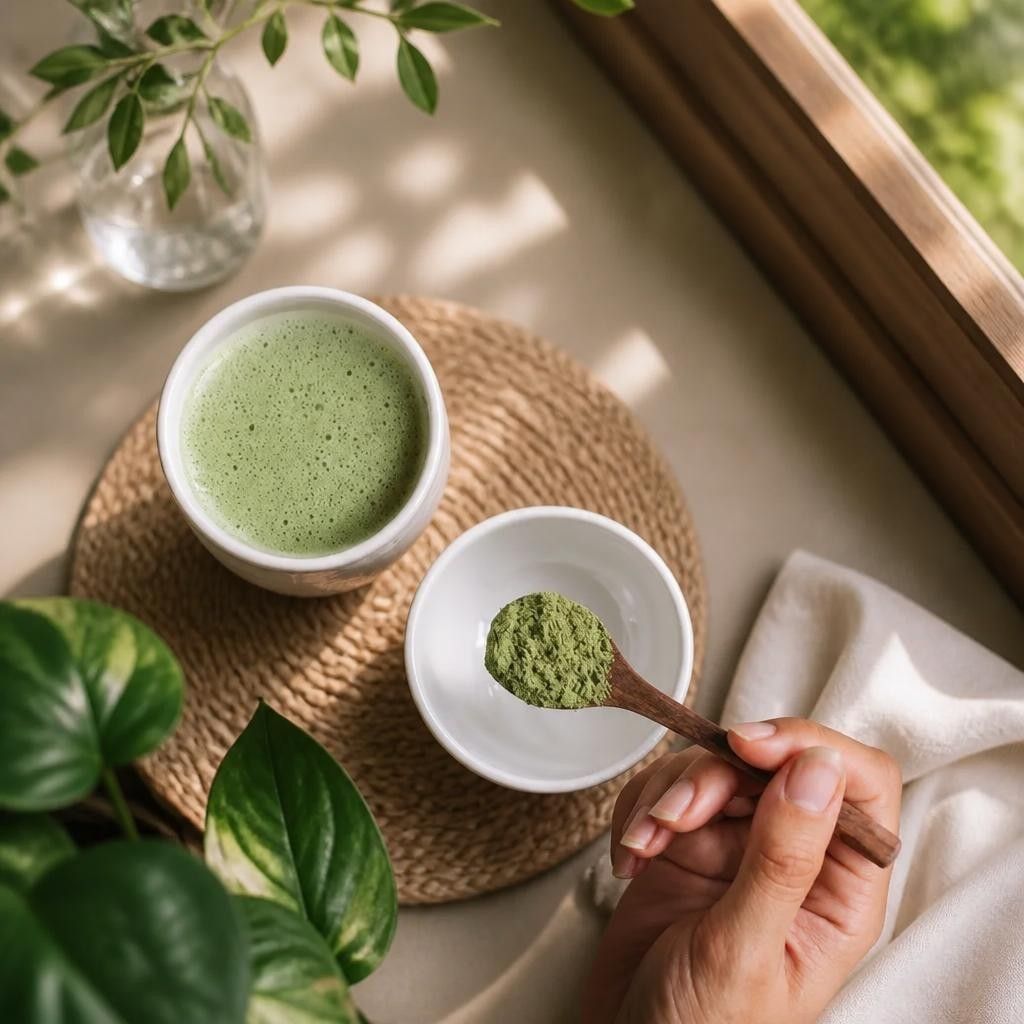
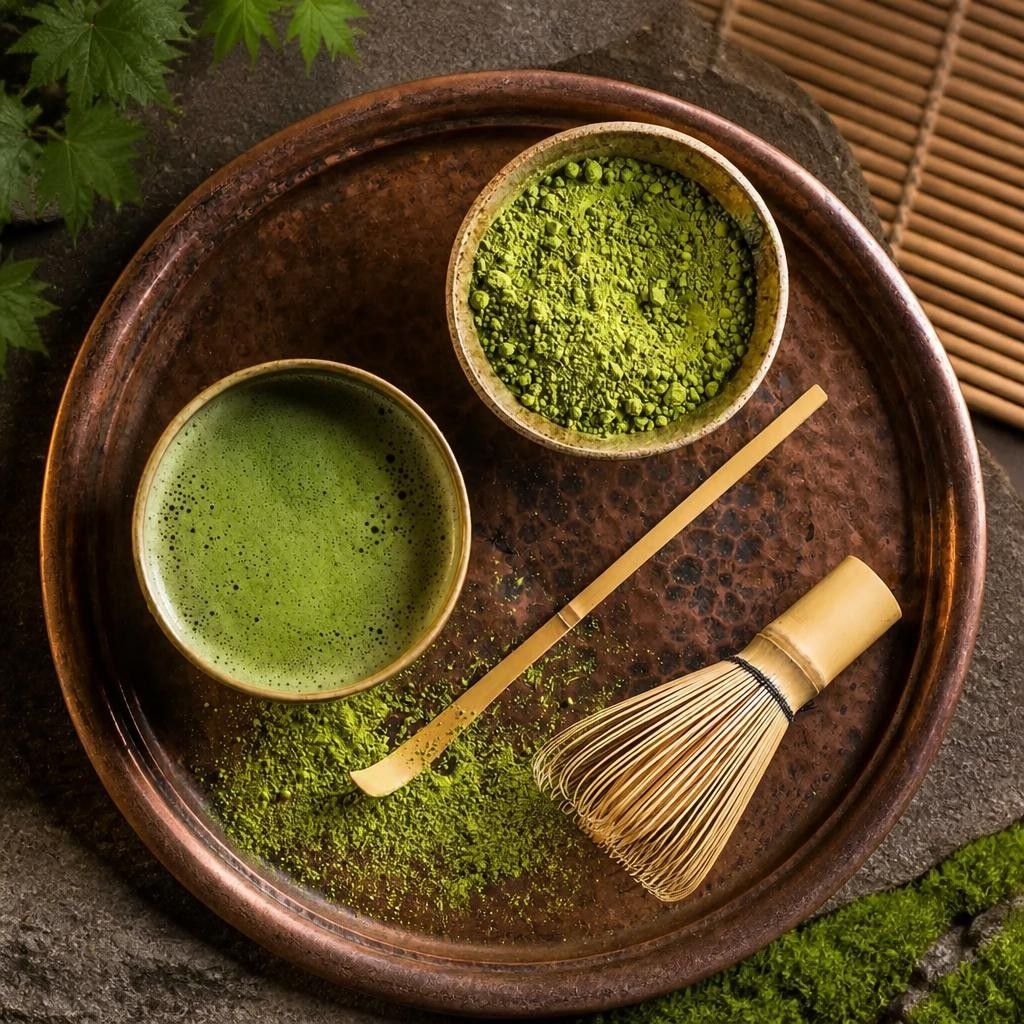
Mushroom matcha powder blends finely milled matcha with mushroom powder to create a smooth, uniform mixture. Stone-milling grinds tencha leaves between granite wheels into a fine powder. Milling the mushrooms to a similar consistency helps reduce grittiness and supports an even suspension in water.
Make smooth mushroom matcha by sifting the powder, adding a small amount of warm water, and whisking briskly in a zigzag motion. Add the remaining water or milk after the mixture becomes smooth and lightly foamed. Mixing the powder thoroughly before adding milk helps prevent clumps.
Identify quality mushroom matcha by its vivid green color, fine texture, simple ingredient list, and clear labeling of the matcha origin and mushroom species. Avoid products with unnecessary filler starches or added sugars. Mushroom powders made from dried fungal material may naturally leave sediment at the bottom of the cup.
How Do You Make a Mushroom Matcha Latte?
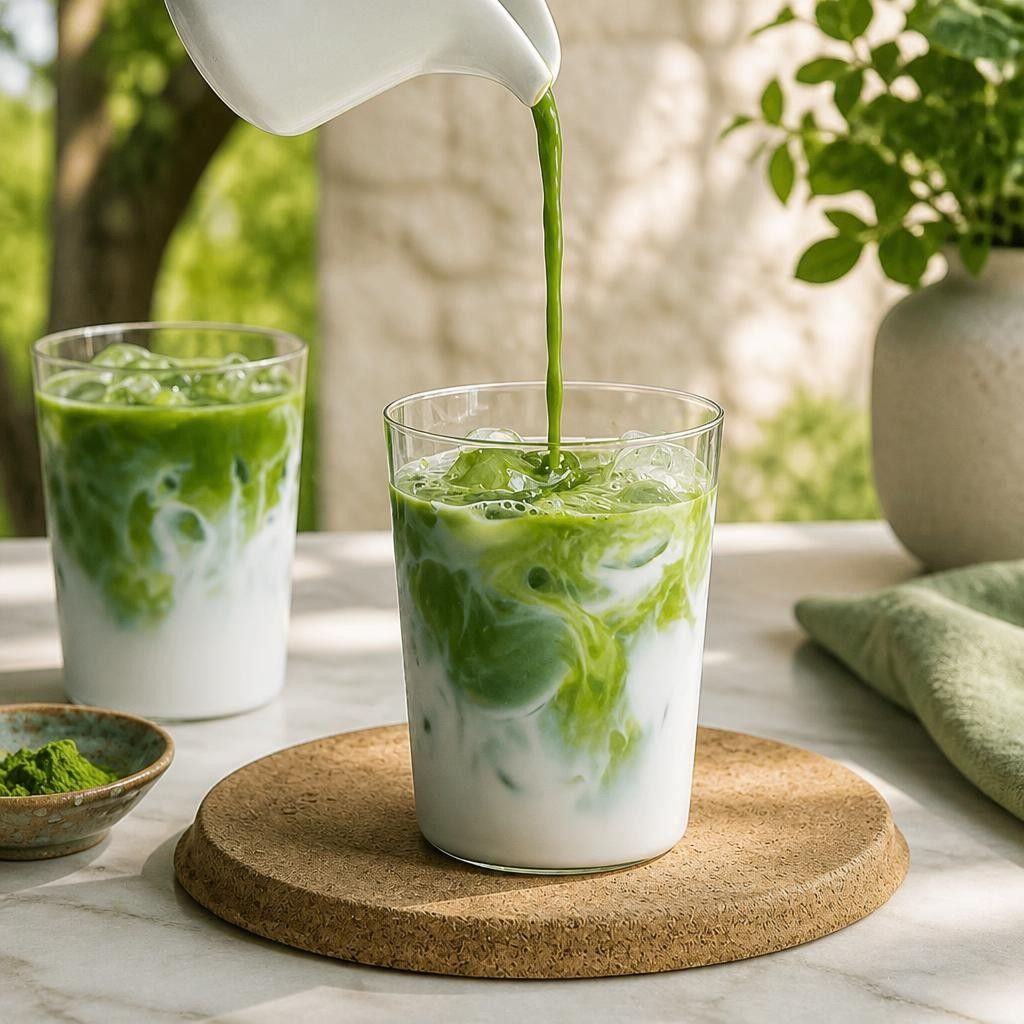
Make a mushroom matcha latte by whisking about 1 g of mushroom matcha powder into a small amount of 175°F hot water until smooth and free of clumps. Use a bamboo chasen whisk with a brisk zigzag motion or a handheld milk frother. Dissolve the powder before adding milk because whisking it directly into milk tends to leave clumps.
For a hot latte, heat or steam dairy or plant-based milk separately and pour it over the whisked matcha base. For an iced latte, whisk the powder into hot water, pour the concentrate over ice, and top with cold milk. Shizuoka-grown matcha, including the Kakegawa matcha in this blend, holds its flavor well against milk, allowing its grassy, umami character to come through.
Is Mushroom Matcha Good for You?
Mushroom matcha can suit healthy adults who want to reduce coffee while still consuming caffeine. It combines matcha with functional mushrooms and may appeal to people who prefer its flavor to plain matcha.
Most healthy adults can include mushroom matcha in a normal diet. An 8 oz cup commonly contains 30-70 mg of caffeine, so count it toward your total daily caffeine intake. Drink it in the morning or early afternoon if caffeine affects your sleep.
Avoid mushroom matcha if you have a mushroom allergy. Consult a doctor before drinking it if you are pregnant or breastfeeding, sensitive to caffeine, have a heart condition affected by stimulants, or take medications that may interact with caffeine or concentrated mushroom compounds. Children and people avoiding caffeine should also skip mushroom matcha.
What Are the Benefits of Mushroom Matcha?
The benefits of mushroom matcha rest on published research into matcha's chemistry and each of the three mushrooms, not on marketing claims.
Antioxidant catechins. A 2021 review published in Molecules compiled findings from multiple analytical studies of matcha's chemical composition and catechin content across different tea preparations. Matcha delivers catechins, including epigallocatechin gallate (EGCG), at measurably higher concentrations than a typical steeped cup of green tea because whole-leaf matcha powder is whisked directly into water instead of steeped and strained. In steeped green tea, most leaf compounds remain in the discarded leaves. Catechin content varies significantly by growing region, harvest timing, and processing, so not all matcha delivers the same dose.
Steadier energy from L-theanine. Haskell et al. (2008), published in Biological Psychology, ran a randomized, double-blind, placebo-controlled crossover trial on 24 healthy adults, giving each person 250mg of L-theanine, 150mg of caffeine, the combination, and a placebo on separate occasions. The combined dose produced quicker simple reaction time, quicker working memory reaction time, and better sentence-verification accuracy than either ingredient alone, along with lower self-reported headache and tiredness and higher self-reported alertness. Owen et al. (2008), a separate double-blind crossover trial with 27 participants, compared 50mg of caffeine alone against 50mg caffeine plus 100mg L-theanine and found the combination improved both the speed and accuracy of an attention-switching task at 60 minutes and reduced susceptibility to distracting information in a memory task at both 60 and 90 minutes. Together these two trials are the basis for describing L-theanine as working alongside caffeine to produce steadier alertness rather than a sharp spike.
Lion's Mane for focus. A 2023 study by Docherty, Doughty & Smith tested Lion's Mane in a double-blind, placebo-controlled, parallel-groups pilot study at Northumbria University's Brain, Performance and Nutrition Research Centre, published in Nutrients. The trial included 41 healthy adults aged 18 to 45 in Lion's Mane and placebo groups. After a single 1.8g dose, the Lion's Mane group performed faster on the Stroop task at 60 minutes post-dose. After 28 days of daily supplementation, the group also reported a trend toward lower stress, which researchers described as an early signal rather than a confirmed effect.
Cordyceps for stamina. A 2010 study by Chen et al. ran a double-blind, placebo-controlled trial at UCLA's Center for Human Nutrition and Exercise Physiology Research Laboratory, published in the Journal of Alternative and Complementary Medicine. The trial enrolled 20 healthy adults aged 50 to 75 who took cultivated Cordyceps sinensis extract (Cs-4, 333mg three times daily) or a matching placebo for 12 weeks. Researchers found that Cordyceps improved submaximal aerobic exercise performance but did not improve VO2 max.
Reishi for calm. A 2026 randomized, double-blind, placebo-controlled trial by Hisamuddin et al., published in Brain and Behavior, tested a five-mushroom blend containing Reishi, Lion's Mane, Cordyceps, Shiitake, and Maitake, standardized to 30% beta-glucans, in 50 adults over 12 weeks. The blend reduced cortisol, ACTH, and the inflammation marker CRP. Participants also reported lower anxiety on the STAI-S and HAM-A scales and reduced general, physical, and mental fatigue at 6 and 12 weeks. Because the treatment contained five mushrooms, the results cannot be attributed to Reishi alone.
These are published findings on the individual ingredients, not clinical trials of Mushroom Matcha itself, and none of them are proof that any specific product treats a condition. Sample sizes are small and results should be read as early-stage, not settled science.
What Are the Three Mushrooms in Mushroom Matcha?
The three mushrooms in mushroom matcha are Lion's Mane, Cordyceps, and Reishi, each added as whole mushroom powder for a different traditional use alongside the ceremonial matcha base.
What Does Lion's Mane Do in Mushroom Matcha?
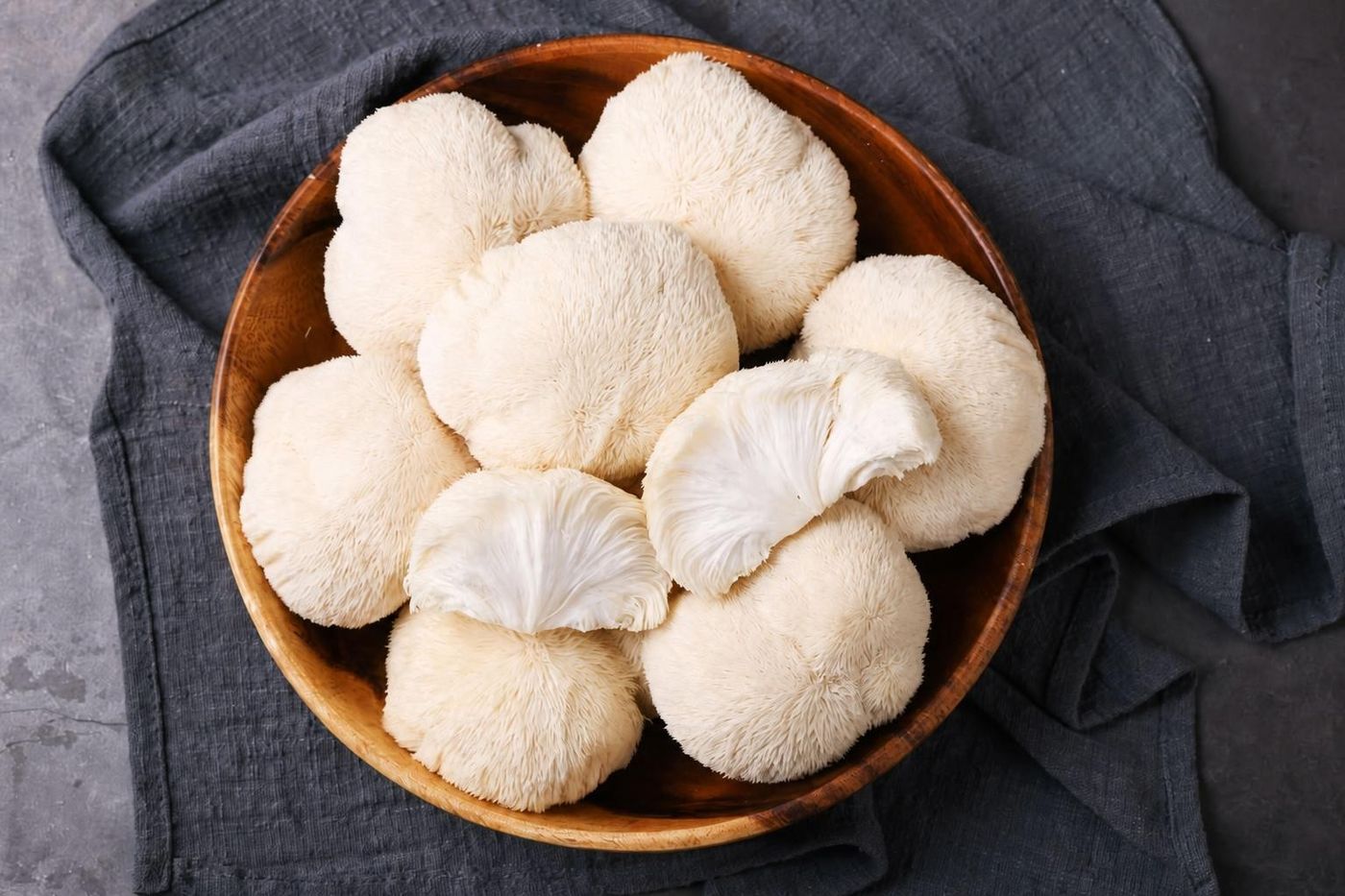
Lion's Mane is traditionally used for mental clarity and focus. A 2023 Northumbria University pilot study found a single dose improved cognitive task speed within an hour, with early signs of reduced stress after 28 days of regular use.
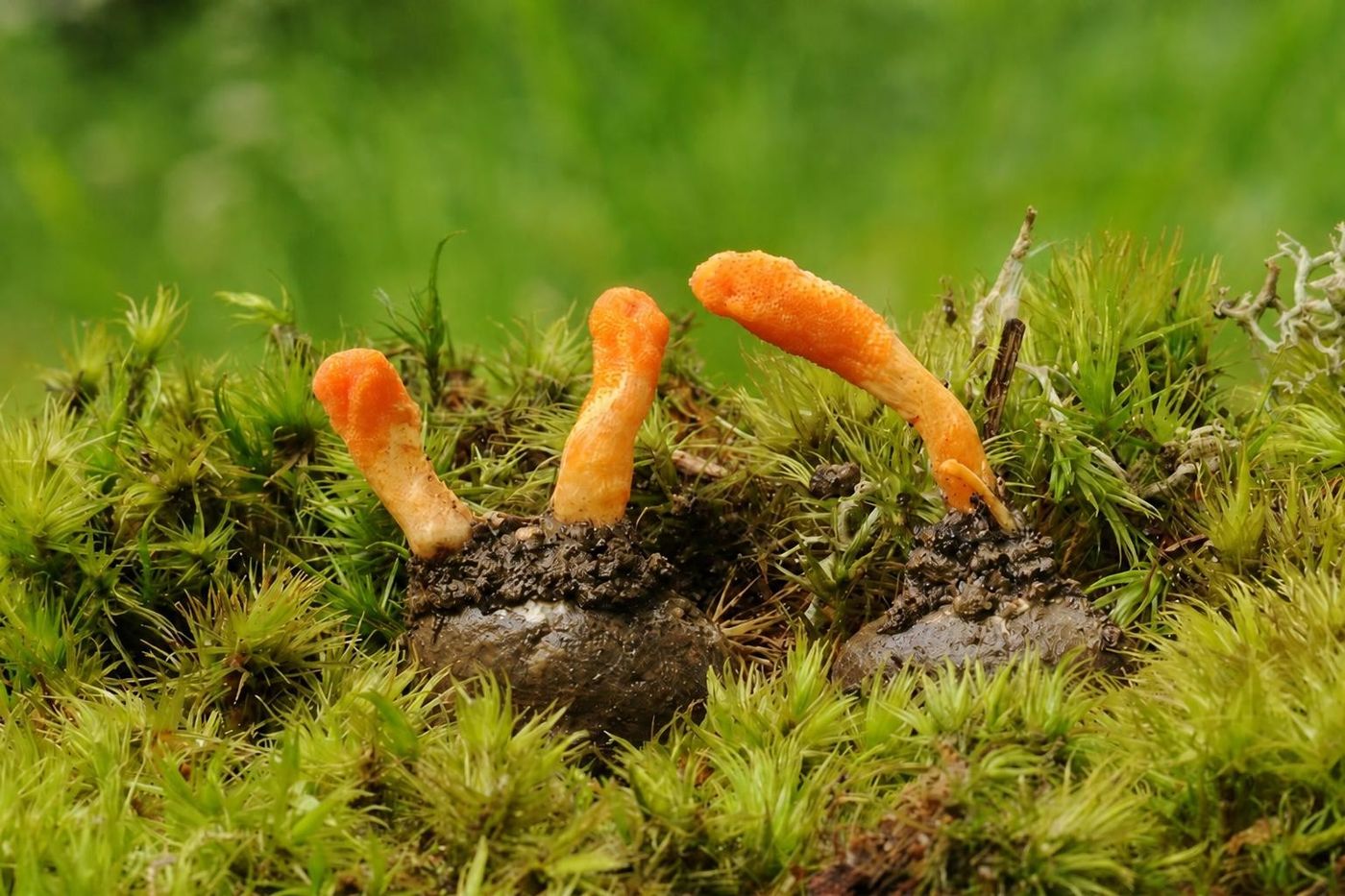
What Does Cordyceps Do in Mushroom Matcha?
Cordyceps is traditionally used for stamina and vitality. A 2010 UCLA trial in older adults found improved metabolic and ventilatory thresholds after 12 weeks of supplementation, though VO2 max itself didn't change.
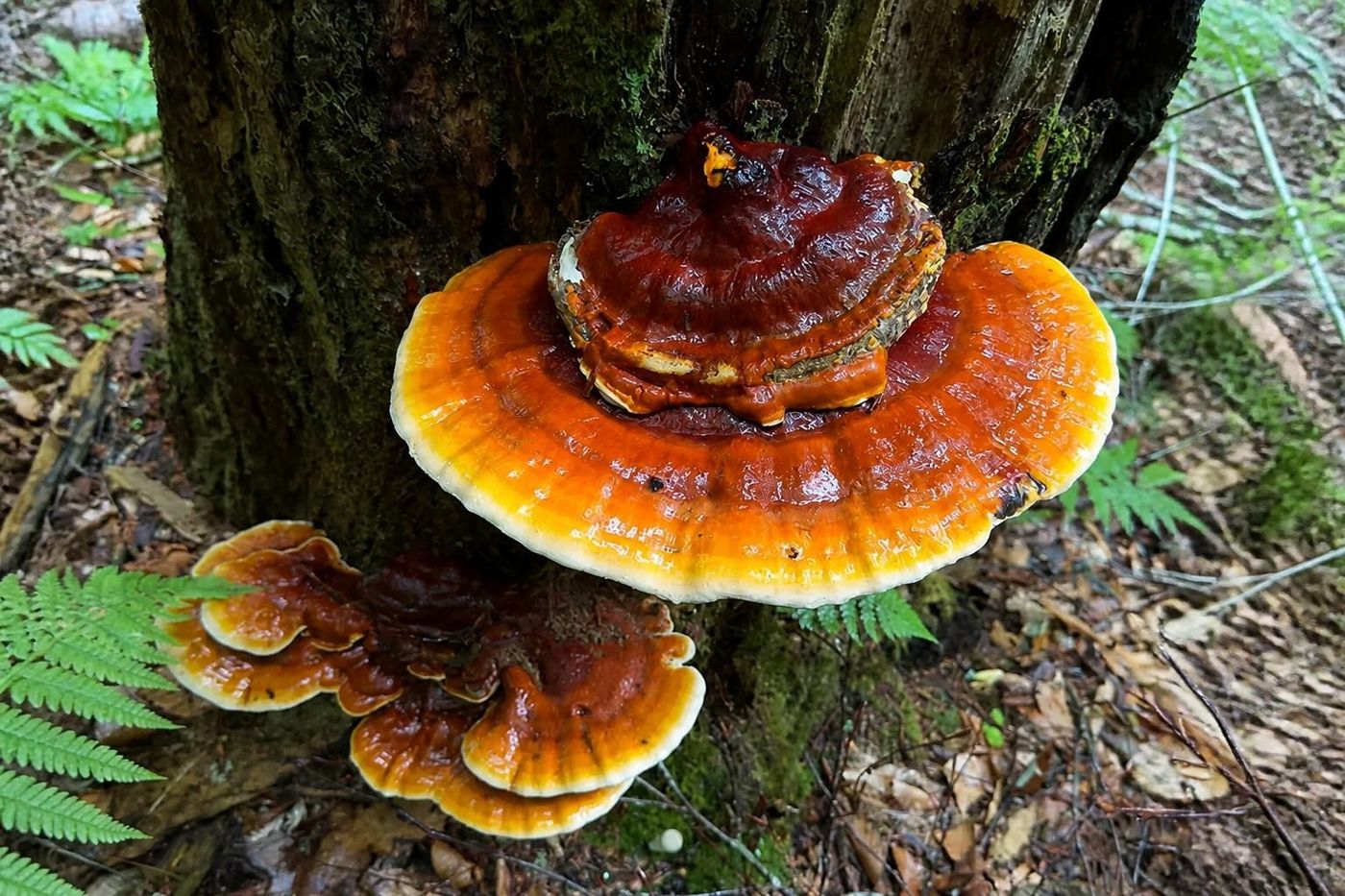
What Does Reishi Do in Mushroom Matcha?
Reishi is traditionally used for calm and grounding. A 2026 multi-institution trial in Malaysia found a Reishi-containing blend lowered stress hormones and improved anxiety and sleep scores over 12 weeks.
Mushroom matcha is a supplement beverage blend, not a drug. These statements have not been evaluated by the FDA and this product is not intended to diagnose, treat, cure, or prevent any disease.
Customer Reviews
Renee
Switched from a Starbucks matcha latte habit to this and honestly do not miss it. Whisks up smooth, tastes like real matcha not a weird green sugar drink, and I don't notice the mushrooms at all
Blake
Was worried this would taste earthy or off because of the mushroom powder but it just tastes like good matcha. Only reason it's 4 stars is I wish the bag lasted a little longer
Sofia
I get jittery on coffee and even regular matcha sometimes, this one feels way more level for some reason. Drink it most mornings now instead of espresso
Trevor
Whisks up really smooth for a powder with mushroom in it, no grit at all. Color is a proper vivid green too, not dull like some matcha I've bought before
Nadia
Good daily matcha, I do iced with oat milk almost every day now. Docked one star only because I wish it came in a bigger size option
Frequently Asked Questions
Is matcha a mushroom?
No, matcha is not a mushroom. Matcha is a powder made from the tea plant Camellia sinensis, the same plant every green tea, black tea, and oolong comes from. Mushroom matcha gets its name from combining that tea powder with separate functional mushroom powder, Lion's Mane, Cordyceps, and Reishi, so the finished blend contains both a plant and a fungus, but matcha itself is tea, not mushroom.
How many servings are in a bag of mushroom matcha?
One 1 oz (28 g) bag of mushroom matcha provides approximately 28 servings when prepared with 1 g of powder per drink, roughly a half teaspoon. Each serving is whisked into approximately 8 oz of hot water or used as the base for a hot or iced latte. Using more or less than 1 g per drink will change the total number of servings available from each bag.
Does mushroom matcha need to be strained?
No, mushroom matcha does not need to be strained, and it never should be. Matcha is stone-milled into a fine powder and the entire powder is consumed as part of the finished drink, that is what separates it from steeped teas. Whisk or stir approximately 1 g of powder into hot water until evenly suspended. A tea strainer is unnecessary and would remove most of what makes matcha matcha.
Why does mushroom matcha have sediment at the bottom of the cup?
Mushroom matcha can develop sediment because it contains real mushroom powder rather than only water-soluble mushroom extracts, and matcha itself is a whole-leaf powder rather than a fully soluble extract. Some of this natural material does not completely dissolve in water and can gradually settle at the bottom of the cup. This separation is normal and does not mean the product has spoiled or was prepared incorrectly. Stirring or swirling the drink before finishing it redistributes the settled powder.
Does mushroom matcha affect digestion or blood sugar?
There is no published research specific to mushroom matcha showing an effect on digestion, blood sugar, or weight. Matcha and the mushrooms in this blend, Lion's Mane, Cordyceps, and Reishi, have each been studied individually for other effects, described elsewhere on this page, but claims about bloating, blood sugar, or weight loss for this specific product are not supported by evidence and should not be assumed.
Is mushroom matcha good in the morning?
Yes, morning is the most common and generally the safer time to drink mushroom matcha, the same guidance that applies to any caffeinated drink. An 8 oz cup commonly contains 30 to 70 mg of caffeine, enough to serve as a genuine coffee replacement rather than a token amount, and drinking it earlier in the day reduces the chance it affects sleep later on.